How to Memorize Things Fast: 6 Ways to Save Time
Two hours of studying and it's still not sticking? Here's where the time goes, and six ways to memorize faster for your next test.
You've spent two hours on one chapter. You've read it, highlighted it, read it again. Then you close the book and... most of it is gone. Where did all that time go?
To memorize faster, stop spending time on what doesn't stick. Don't make study materials by hand, don't reread what you already know, and test yourself in small groups instead. Here are six ways to do that.
1. Don't spend your time making flashcards
Writing out cards and questions by hand takes time you could spend learning. Let the app do it.
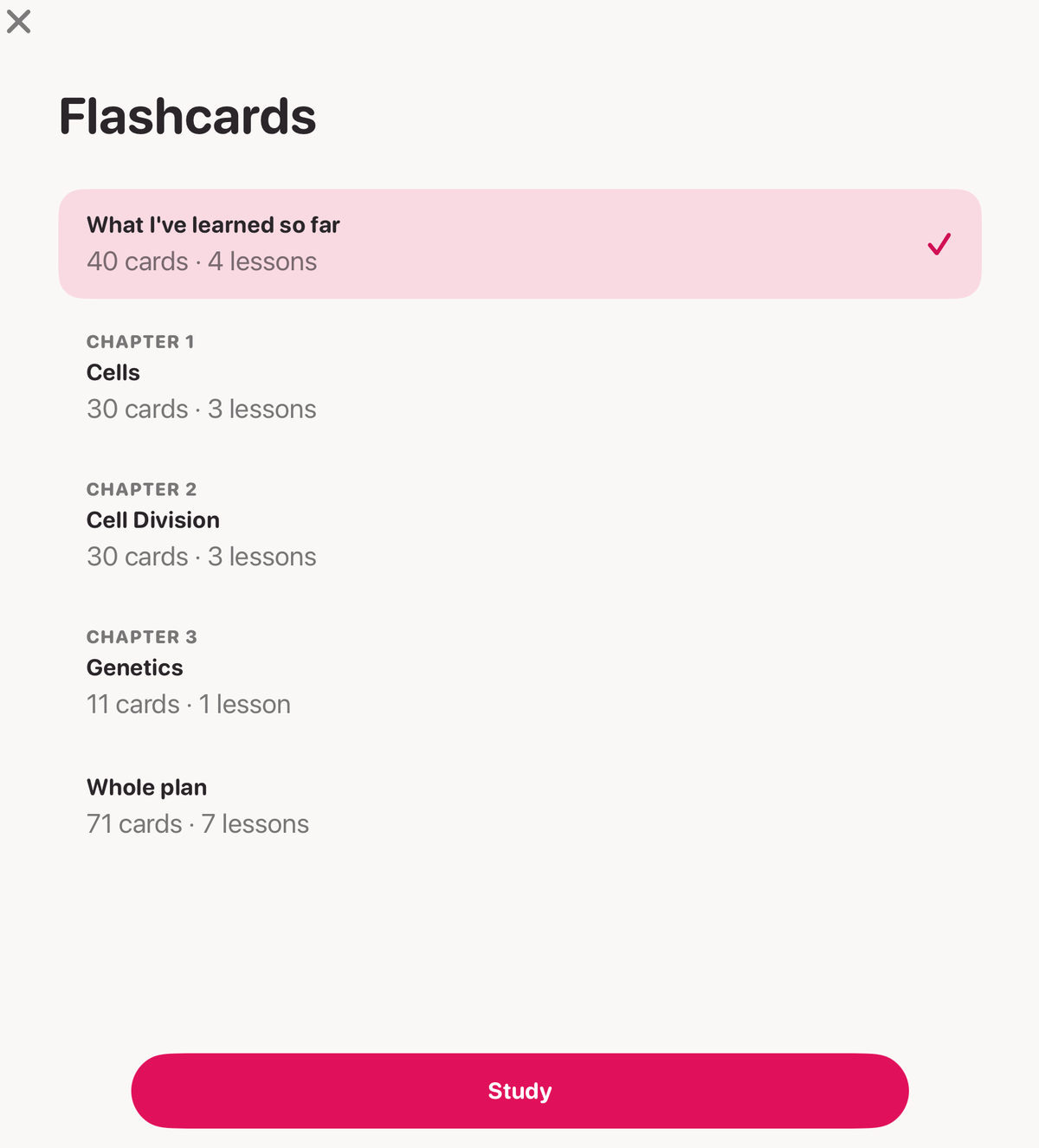
Have a test coming? Open Sweet Study in the sidebar and tap New study plan. Add your notes, a PDF, a photo or scan of paper notes, a YouTube lecture or a recording, and pick the day you want to finish studying. It builds a day-by-day plan with short lessons, quizzes and flashcards. After your first day, tap Flashcards at the bottom of the plan, choose What I've learned so far, and tap Study.
You don't write a single card or question yourself. Sweet Study uses AI credits and shows you the cost before it builds anything.
Only need to learn one note? A whole study plan might be more than you need. Open the note, tap the AI button, and choose Make flashcards from this note for a deck, or Quiz me on this for a quiz.
2. Stop rereading what you already know
This one saves the most time. In a well-known study, Karpicke and Roediger (2008) had students learn 40 Swahili–English word pairs, like mashua = boat. Once a student got a pair right, some kept studying it again, and some kept being tested on it.
A week later, studying a pair again after getting it right did nothing measurable. Being tested on it again did: students who kept testing remembered about 80% of the pairs. Students who stopped being tested remembered only about a third (36% and 33%).
So once you can say it from memory, don't read it again. Just test yourself on it again later. That saves time and you remember more.
3. Make sense of it first, then group it
Facts that make sense are easier to learn than facts you repeat word for word. The UNC Learning Center puts it simply: information that is organized and makes sense to you "is easier to memorize."
So before you memorize, spend a few minutes on how the ideas connect. Then make small groups: all the parts of a cell together, all the causes of a war together. Learn one group at a time instead of the whole page.
4. Use a memory trick for short lists
For a list you need in order, take the first letters and turn them into a word or a sentence. UNC's example is "Please Excuse My Dear Aunt Sally" for the order of operations in math.
This is great for a short list. But don't make a trick for everything: in a big review of study methods, Dunlosky and colleagues (2013) rated memory tricks low as a way to study whole topics. Testing yourself was rated high.
5. Cover and recall in quick rounds
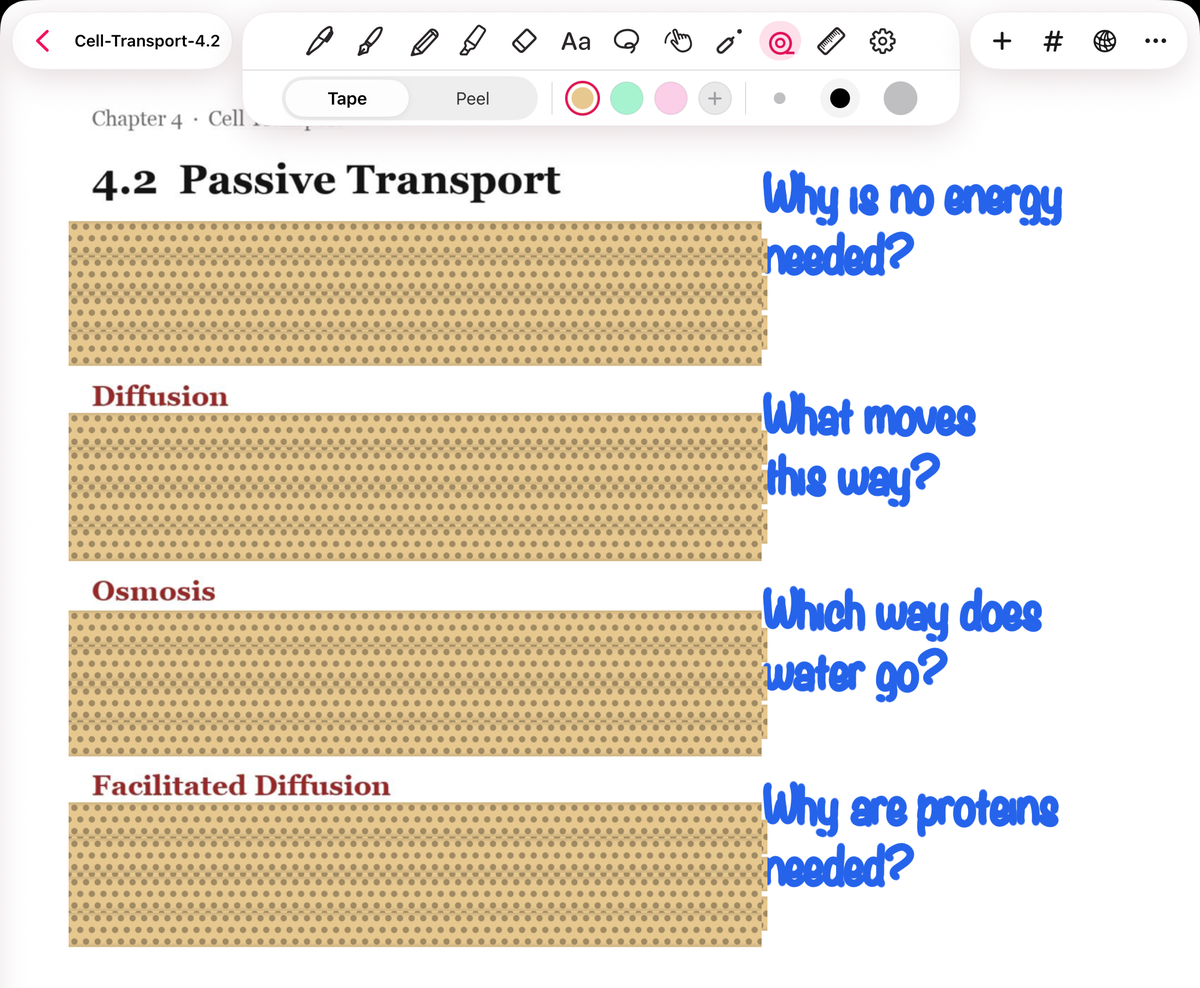
You don't need to rewrite your notes to quiz yourself. In Strawberry Notes:
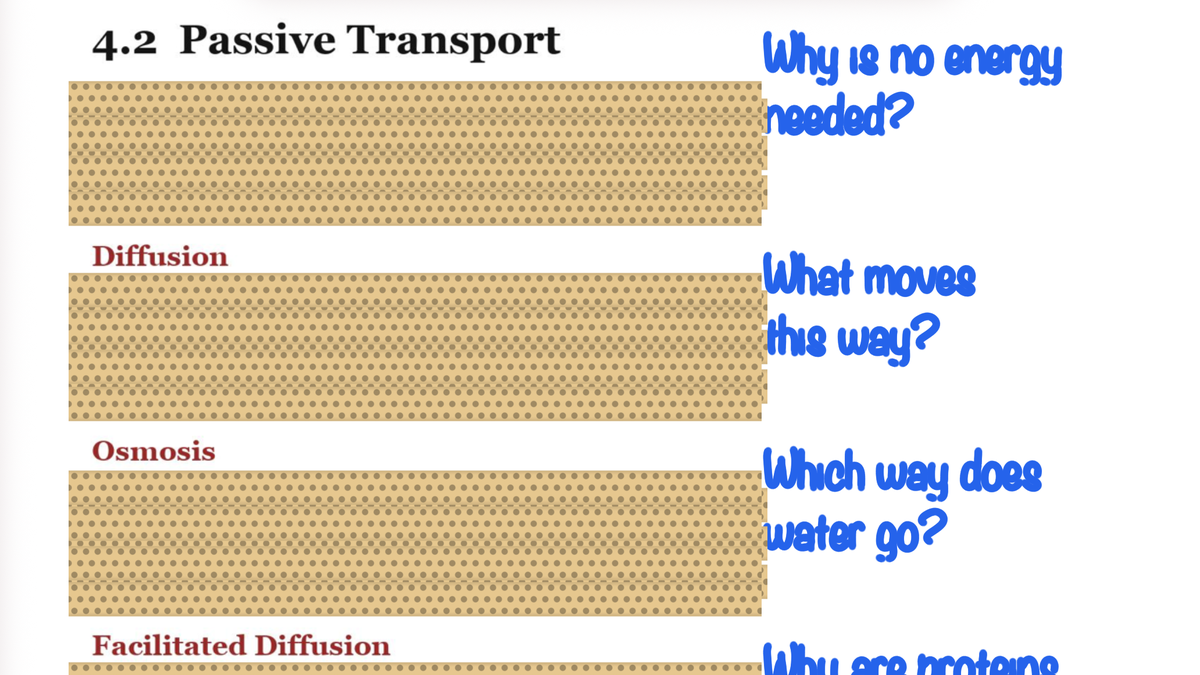
- Pick the Tape tool and draw a strip over each definition, label or answer in your notes.
- Say each one from memory, then tap the strip to see through it. Tap again to cover it.
- Go over only the ones you missed, until you get them all.
- Come back tomorrow for one more round. The UNC Learning Center says to spread your practice "over several days."
When you know a page and don't need the strips any more, switch to Peel and take them off.
Flashcards do the same thing for you over days. When you study a deck, tap Show answer, then Again or Good. Cards you know come back less often, so you don't waste time on them. Here's how spaced repetition works.
6. Test tomorrow? Do this tonight
- Start with a quick test, not a reread. Whatever you can't recall is what you study tonight.
- Do two or three short rounds, with a break in between.
- Sleep. UNC says your brain "processes and stores information while you sleep."
- Do one quick round in the morning.
It won't stay with you as long as studying over several days, but it's a good use of one evening. Next time, start a 5-day plan and let the app spread it out for you.