The Blurting Method: How to Study by Writing It All Down
Read your notes five times and still blank on the test? The blurting method shows you what you really know. Here's how to do it.
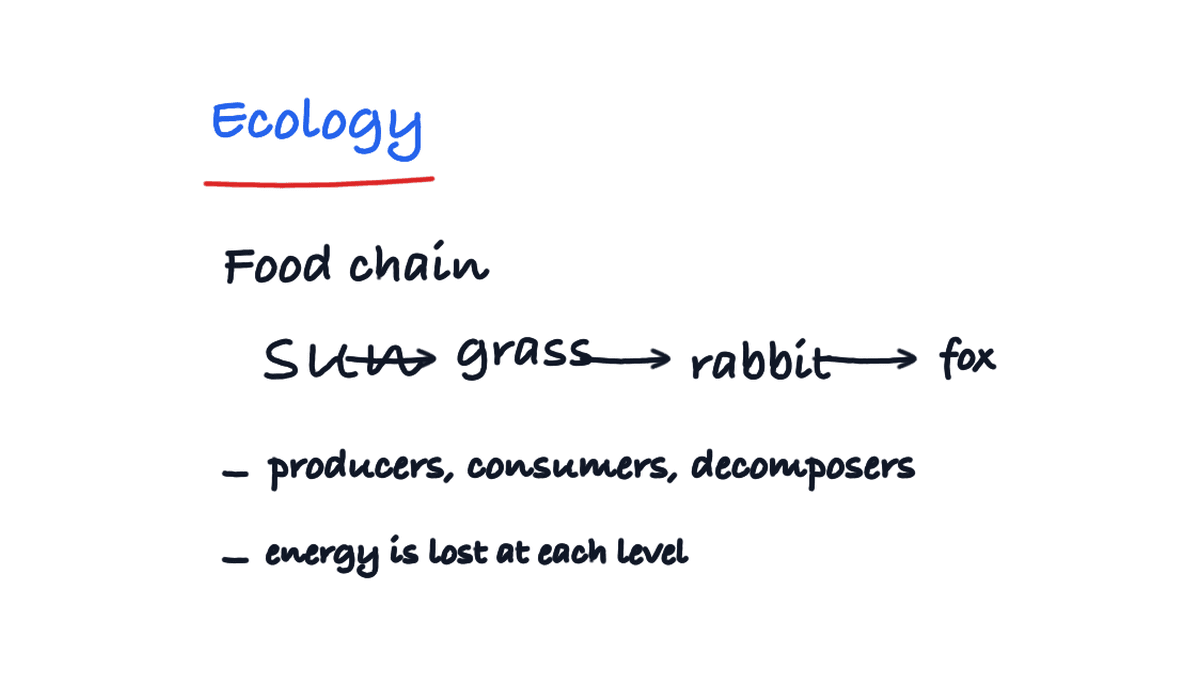
You've read your notes so many times you could recite the headings. Then the test starts, you read the first question, and your mind goes blank. Where did it all go?
Try blurting instead. Read one topic, close your notes, and write down everything you remember on a blank page. Then open your notes and fill in what you missed in a different color. The gaps you fill in are exactly what you need to study.
What is the blurting method?
All you need is a blank page.
Birmingham City University's revision guide breaks it into a few steps:
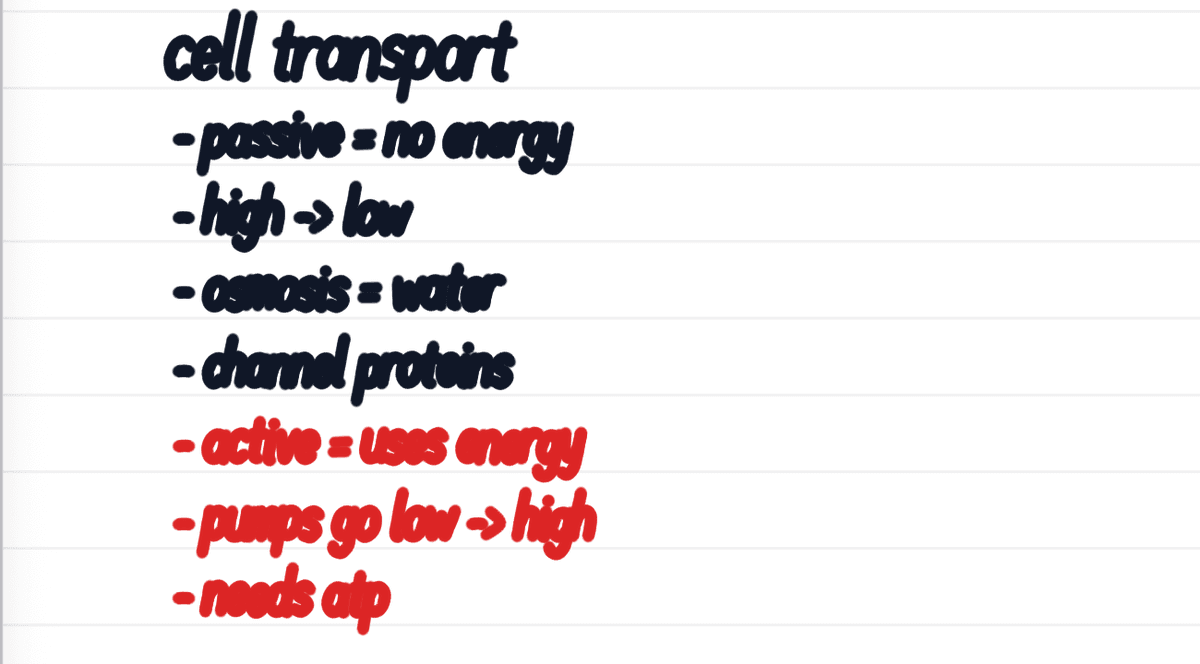
- Pick one topic. Small is better: "cell transport", not "all of biology".
- Read your notes on it until it makes sense.
- Blurt. Hide your notes and write down everything you can remember. Words, arrows, little drawings, all of it. Messy is fine.
- Mark it. Open your notes and add what you missed in a different color.
- Do it again later, without looking at your notes or your last blurt.
The colored ink is your study list. Black means you can skip it for now.
Is the blurting method effective?
Yes. There's a well-known study that tested the first half of blurting: writing it all down from memory.
In 2006, Henry Roediger and Jeffrey Karpicke gave college students two short passages to read. One they read again. For the other, they got a sheet with just the title and wrote down as much as they could remember. No feedback, no answers.
Five minutes later, the reread passage was remembered a bit better. But a week later, it flipped: students remembered 56% of the passage they'd written down, and only 42% of the one they'd reread. In a second experiment, the students who only reread were the most sure they'd remember it, and they remembered the least.
Rereading made them feel ready. Writing it down made them remember.
How to blurt on iPad (and watch the red shrink)
Paper works fine. The nice part on iPad is that your class notes and every blurt sit in one place, so you can see yourself getting better.
- Read your class notes on one topic.
- In your subject (say, Biology), tap + New → Notebook, write the topic at the top, and blurt in black.
- Drag your class note from the sidebar onto the left or right edge of the screen. It opens side by side with your blurt. Switch the pen to red and add what you missed.
- Two days later, blurt again on a fresh page, before you look at anything. Then check it the same way.
Put your first blurt next to your second, and the red should be shrinking. Whatever is still red is what you study next.
The BCU guide also says to keep each session short, take breaks, and spread your blurting over several days instead of doing it all at once. Here's one way to do that: blurt on day 1, again two or three days later, and one last time the week of the exam. If that last page comes out with almost no red, you know it.
Blurting or flashcards: which is better?
Use both. They test different things.
Blurting checks the big picture: how the ideas connect and whether you can explain the topic in your own words. Flashcards are better for the small facts you keep forgetting, like a definition, a date or a formula.
So use the red lines. Lasso a red line on your blurt, tap the selection, and choose Edit → Create Flashcard. Write the question on the front. Missed cards come back soon. Ones you know wait longer. Here's how to turn handwritten notes into flashcards.
Want to go deeper on one hard idea? Try the Feynman technique. Turning a whole unit into questions? See how to make a study guide from your notes.