Study Methods That Actually Work (and How to Use Them)
Highlighted and reread it all, and still couldn't remember it? These six study methods test you from memory over several days. Here's how to do each one.
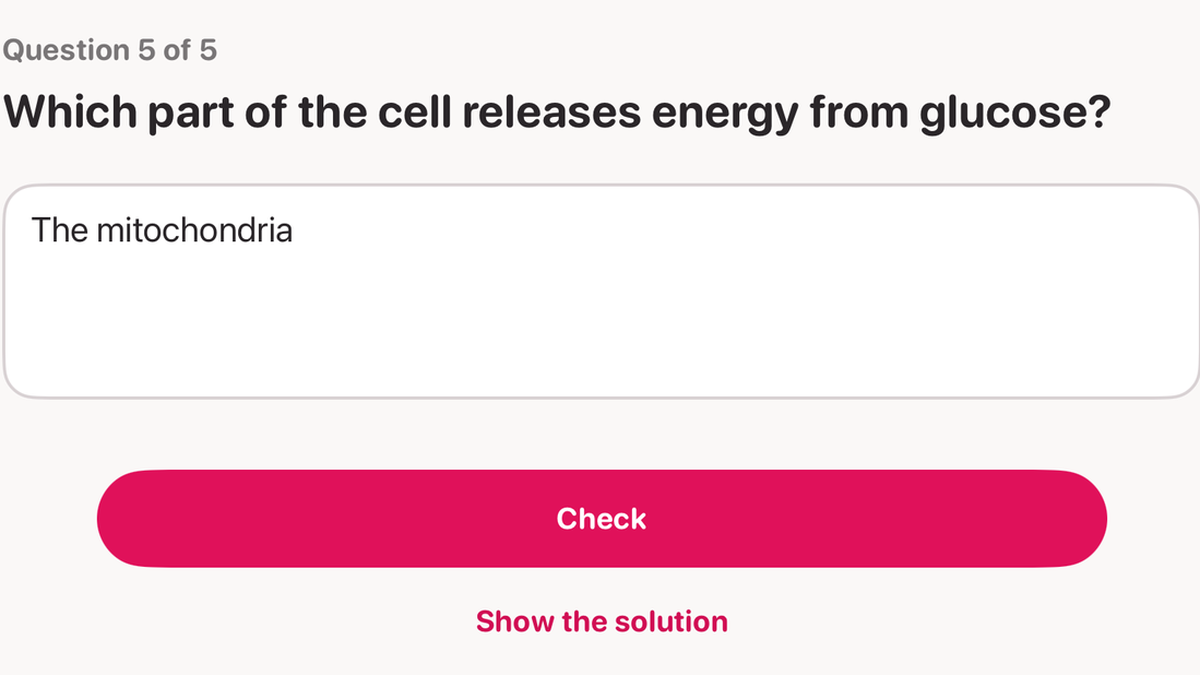
You read your notes three times and highlighted them in four colors. Then the test asked a question, and you couldn't remember the answer! The study methods that work best make you recall answers from memory, and spread that over several days. Rereading feels like studying, but on its own it often doesn't help much.
Here are six methods that do this, and how Sweet Study in Strawberry Notes runs them for you.
What makes a study method work?
In 2013, psychologist John Dunlosky and four colleagues reviewed 10 common study techniques. Two were rated the most useful: taking practice tests, and spreading study sessions out over time. Underlining, rereading and memory tricks (mnemonics) were rated low.
A study guide by S. C. Pan for UCSD's psychology department agrees. It calls these two "the most effective methods known to date":
- Retrieval practice: recall what you learned instead of reading it again.
- Spaced practice: study the same thing in several sessions on different days.
So a good study method makes you answer from memory, and you come back to it on another day.
1. Active recall
This is the big one. Try to pull the answer out of your memory before you look at your notes. Answering a question, explaining an idea out loud, or writing what you know on a blank page all count.
One simple way to try it is the blurting method: close your notes, write down everything you remember, then open them and fill the gaps in red.
In Strawberry Notes you can do it inside your notes: pick the Tape tool, cover the answers, say them from memory, then tap a strip to check.
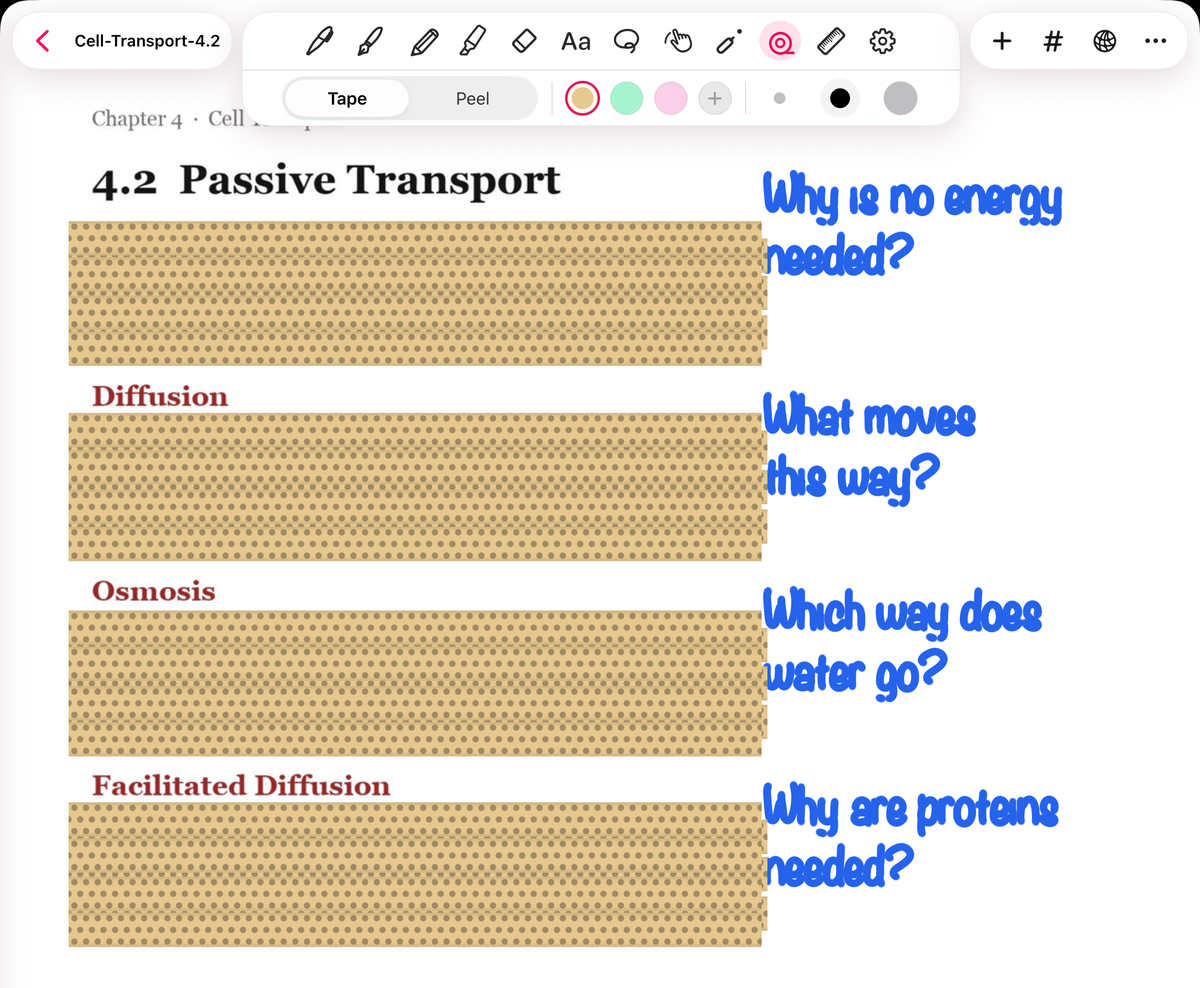
2. Spaced repetition
Instead of reviewing everything every night, you come back to each fact just before you'd forget it. Each time you remember it, the gap before the next review gets longer.
Flashcards are the easiest way to do it. Strawberry Notes works out when each card should come back, so you only review what's due. To make a card, lasso part of your notes, tap Edit, then Create Flashcard. Prefer paper cards? Try the Leitner system.
3. Practice tests
Do them with your notes closed, before you feel ready. They show you what you really know before the real test does.
Old tests and the questions at the end of a chapter are perfect for this. No questions? In any note, open the AI assistant, tap Quiz me on this, then send it.
4. Interleaving
Most of us study one topic for an hour, then move on to the next. Try mixing them instead: two problems from chapter 3, then one from chapter 5, then one from chapter 4. It feels harder, because you have to work out which method each problem needs, just like in the exam.
With flashcards, open the Flashcards tab, tap •••, then Study all due cards to mix the due cards from every deck. More on interleaving.
5. The Feynman technique
Pretend you're teaching the idea to someone who has never heard of it, using only simple words. Wherever you get stuck, or reach for a big word you can't explain, you've found something you don't understand yet.
Try it on a blank page: write the idea's name at the top, explain it in plain words, then check your notes and fix what you got wrong. Steps: the Feynman technique.
6. SQ3R for textbooks
Read a whole chapter and remember almost nothing? This one is for you. The name comes from its five steps: Survey, Question, Read, Recite and Review.
Skim the chapter first (Survey). Turn each heading into a question (Question). Read the section to find the answer (Read). Close the book and answer your question from memory (Recite). At the end, go back over all your questions (Review). See the SQ3R method.
How do you use these methods together?
Doing this by hand means planning what to test on which day. Sweet Study does that planning for you. It's in the Strawberry Notes sidebar on iPad and iPhone.
- Tap New study plan.
- Under What do you want to study?, add your notes, a PDF, a photo or scan of paper notes, a YouTube lecture or a recording. Got an old test? Add it under Past test or practice questions.
- Pick your finish date and the days you can study, answer the last few questions, then tap Build my plan.
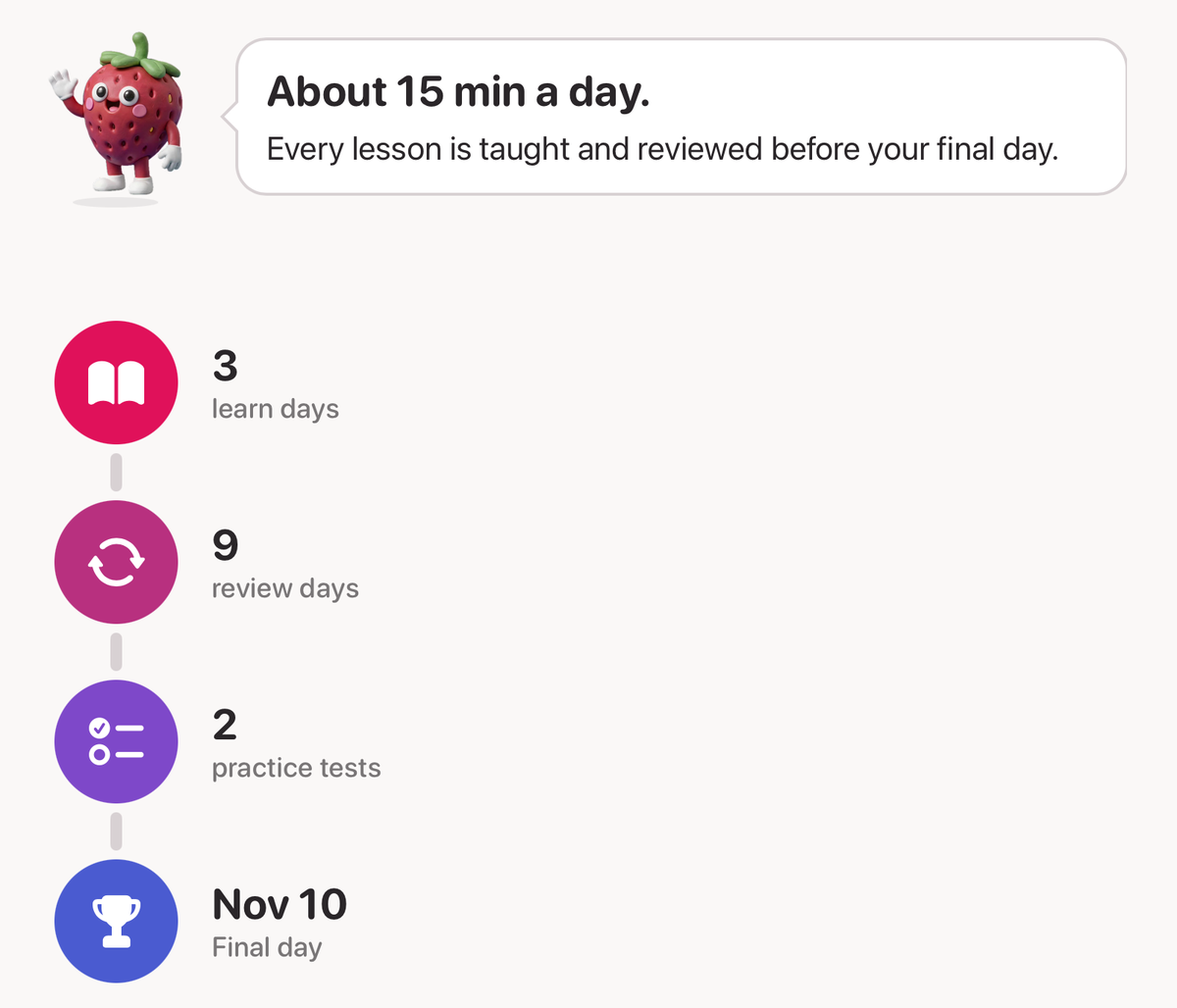
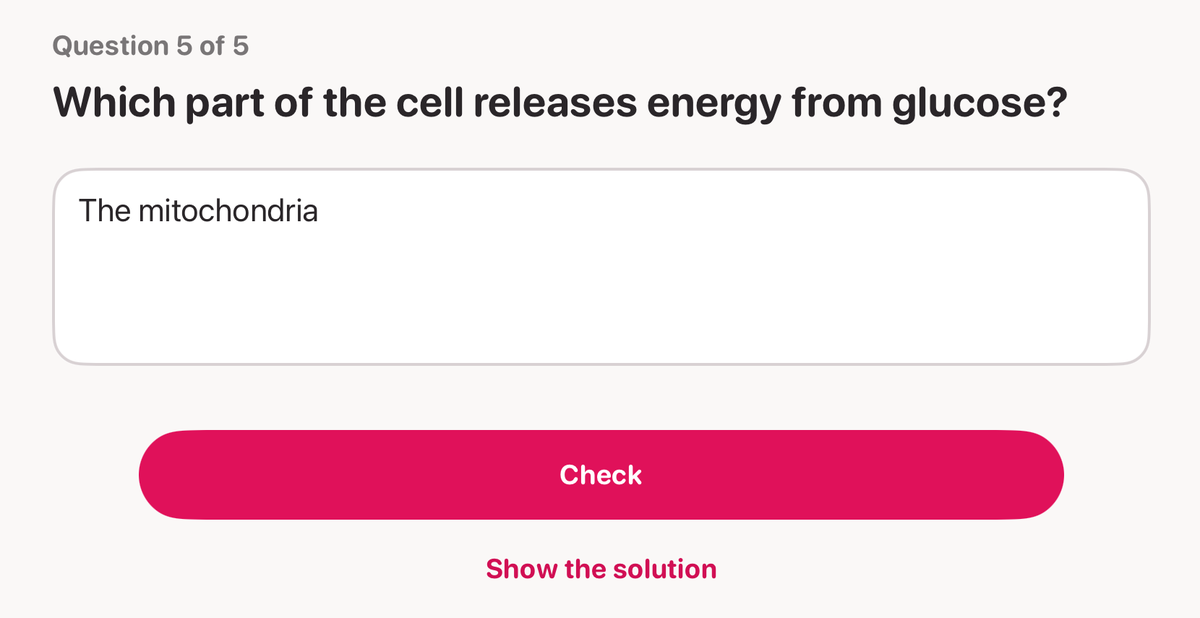
First come learn days that teach each lesson. Then review days quiz you on earlier lessons, spaced out until your finish date, with practice tests along the way. You answer from memory, then tap Check. That's retrieval practice and spaced practice in one plan. Missed a few days? The plan shows you how to catch up.
What about highlighting and rereading?
They're fine for a first pass, so you understand the material. The problem is when they're your whole plan. Keep your highlighted notes and use them as the answer key: cover them, recall, then check.
Whatever method you choose, keep the two rules: test yourself, and come back to it on another day. Studying for a test this week? Here's a 5-day plan for a test.